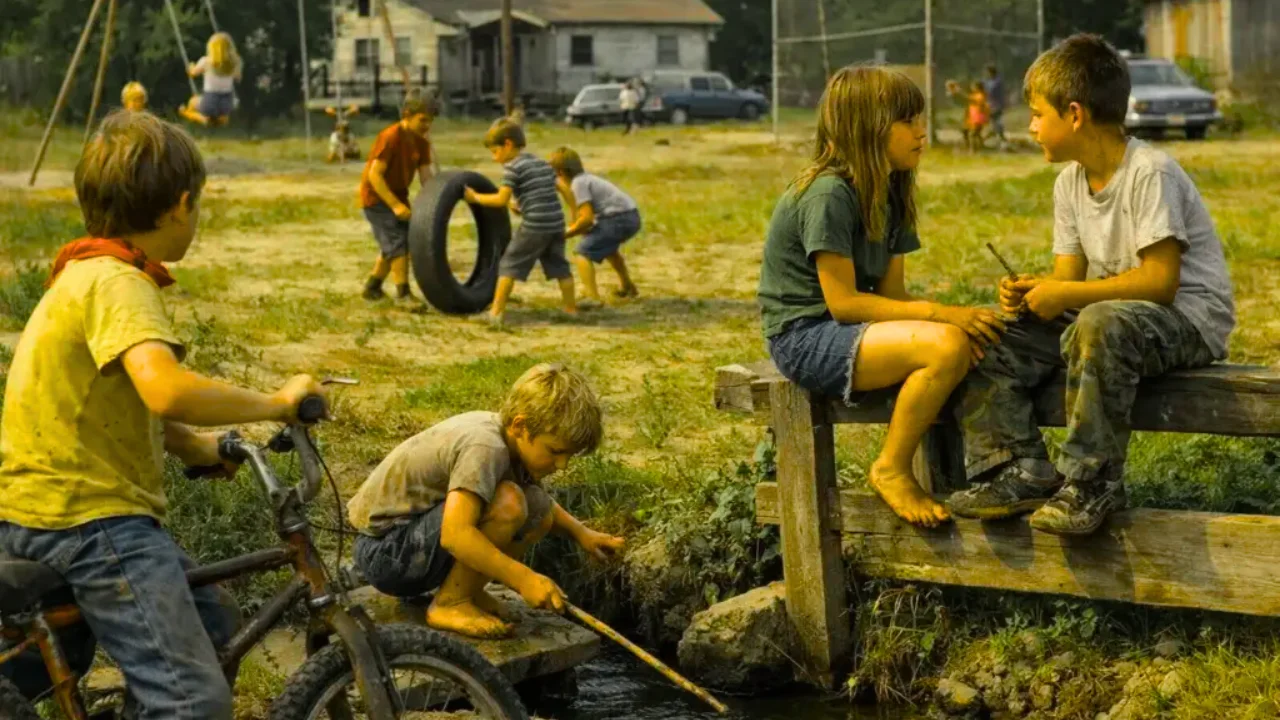
Emotionally Durable Generation: Emotionally Durable Generation is not just a catchy phrase. It reflects a real shift in how people learned to handle life. Children who grew up in the 1960s and 70s were not surrounded by constant supervision, guidance, or emotional coaching. They were given space, sometimes too much of it, and that space shaped their emotional strength in powerful ways. The idea of an Emotionally Durable Generation comes from the way these children adapted to independence early in life.
In this article, we will explore how this Emotionally Durable Generation developed strong emotional skills through freedom and real-world experiences. You will understand the role of independent play, early responsibility, and minimal parental involvement. We will also look at both the strengths and emotional gaps that came from this upbringing and what modern parents and individuals can learn from it.
Emotionally Durable Generation
The concept of an Emotionally Durable Generation goes deeper than simple toughness. It is about how children learned to manage emotions without constant external help. During the 1960s and 70s, parenting styles were less focused on emotional validation and more on survival and routine. Children spent long hours outside, made decisions on their own, and dealt with problems without adult intervention. This created a natural environment for building resilience, self control, and emotional awareness through real experiences.
Unlike today, where children often receive quick support and structured guidance, that generation had to pause, think, and respond independently. This process helped them develop coping mechanisms that stayed with them into adulthood. While this approach was not perfect, it built a strong foundation of emotional endurance that many experts still study today.
The art of benign neglect
The term benign neglect may sound harsh, but it played a key role in shaping the Emotionally Durable Generation. Parents were not always available to solve every issue. Children had to navigate social conflicts, boredom, and even minor risks on their own.
This lack of constant attention forced children to become problem solvers. If they argued with friends, they worked it out themselves. If they felt bored, they created their own entertainment. This built emotional independence over time.
Modern psychology suggests that when children face manageable challenges without immediate help, they develop stronger coping skills. That is exactly what happened with the Emotionally Durable Generation. They learned to handle discomfort instead of avoiding it.
Free play wasn’t scheduled it was survival
Free play during that time was not planned or organized. It was spontaneous and often unsupervised. Children created their own games, built friendships, and handled disagreements without adult interference.
This environment helped shape the Emotionally Durable Generation in several ways:
- Improved creativity and imagination
- Strong decision making skills
- Better emotional control in stressful situations
According to recent child development studies in 2025, unstructured play is now being recognized again as essential for mental growth. Experts believe that too much structured activity can limit a child’s ability to adapt.
The children of the 60s and 70s did not need scheduled playdates. They learned by doing, failing, and trying again. This constant cycle helped build resilience in a natural way.
The hidden costs of toughness
While the Emotionally Durable Generation gained strength, it also faced emotional challenges that are important to understand.
Emotional challenges faced
- Difficulty expressing feelings openly
- Tendency to suppress emotions
- Fear of appearing vulnerable
Long term effects
- Challenges in close relationships
- Limited emotional communication
- Delayed understanding of personal feelings
Many individuals from this generation grew up believing that emotions should be hidden. This mindset helped them survive tough situations but sometimes made it harder to connect deeply with others.
Recent mental health discussions in 2026 highlight the importance of emotional awareness. Experts now emphasize that resilience should be balanced with expression. This shows that while the Emotionally Durable Generation was strong, emotional growth is equally important.
Growing up faster meant something different
Growing up in the 1960s and 70s often meant taking on responsibilities early. Teenagers worked part time jobs, helped their families, and learned practical skills at a young age.
This early responsibility shaped the Emotionally Durable Generation by teaching discipline and accountability. They learned that actions had consequences and that effort was necessary for progress.
Unlike today, where many young people take longer to become independent, that generation stepped into adult roles quickly. This built confidence and problem solving ability.
However, growing up fast also meant fewer opportunities to explore emotions safely. While they became capable and strong, emotional guidance was often missing.
What we gained and what we lost
The experience of the Emotionally Durable Generation shows a clear balance between strengths and limitations.
What we gained
- High emotional resilience
- Strong independence
- Ability to handle failure without fear
- Practical life skills
What we lost
- Emotional openness
- Support during difficult moments
- Healthy expression of feelings
- Balanced emotional development
Modern parenting trends in 2025 and 2026 are trying to find a middle ground. Experts suggest combining independence with emotional support. Children should be allowed to experience challenges but also feel safe expressing their emotions.
The story of the Emotionally Durable Generation helps guide this balance.
FAQs
What is an Emotionally Durable Generation
It refers to people who developed strong emotional resilience due to independent childhood experiences and limited parental intervention.
Why were children in the 1960s and 70s more independent
They had more freedom, less supervision, and fewer structured activities, which forced them to solve problems on their own.
Is free play important for children today
Yes, research in 2025 shows that unstructured play improves creativity, emotional strength, and problem solving skills.
Did benign neglect harm children emotionally
It helped build resilience but also created challenges in emotional expression and communication for some individuals.
What can modern parents learn from this
Parents can allow children to face challenges independently while still providing emotional support when needed.