UK Fuel Supply Update 2026: UK Fuel Supply Update 2026 is becoming one of the most talked about developments in the global energy and aviation space right now. With supply chains under pressure and fuel prices rising sharply, the situation is already affecting airlines, ticket prices, and travel plans. What seemed like a temporary disruption is now turning into a serious concern for both industry leaders and everyday passengers.
The UK Fuel Supply Update 2026 also reflects how dependent the country has become on imported fuel, especially after changes in global trade and reduced domestic refining. This article breaks down what is happening, why it matters, and how it could impact flights, fuel prices, and the wider economy in the coming months.
UK Fuel Supply Update 2026: Current Situation Overview
The UK Fuel Supply Update 2026 shows a fast-changing fuel supply landscape shaped by global tensions and logistics challenges. The blockage of the Strait of Hormuz has disrupted one of the busiest energy routes in the world. As a result, the United Kingdom is now facing limited access to jet fuel supplies that it has depended on for years.
This situation is not just about fuel shortages. It is about rising costs, supply chain shifts, and increased competition for alternative sources. Airlines are adjusting operations, governments are stepping in, and global markets are reacting quickly. The UK Fuel Supply Update 2026 highlights how interconnected energy systems are and how a single disruption can create wide-ranging effects across industries and countries.
Overview Table
| Key Factor | Details |
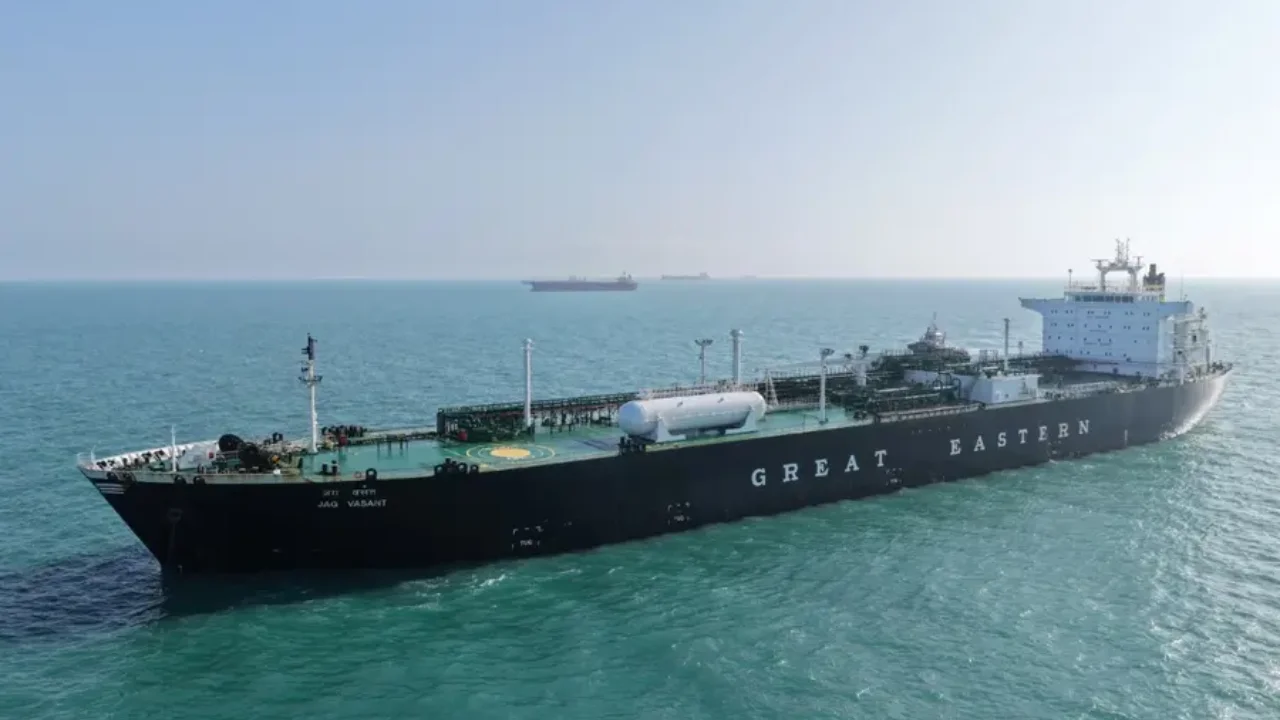
| Final Shipment | Maetiga tanker carrying Saudi jet fuel |
| Key Route Disruption | Strait of Hormuz blockade |
| Dependency Level | Around 50 percent UK jet fuel from Gulf |
| Price Surge | Prices doubled to $1,744 per tonne |
| Airline Reaction | Flight cuts and fare hikes |
| Government Action | Talks led by Keir Starmer |
| Alternative Sources | West Africa, United States, Red Sea |
| Supply Challenge | Limited refined jet fuel availability |
| Market Impact | Increased global competition |
| Delivery Issues | Longer routes and delays |
Final Gulf shipment marks supply turning point
The arrival of the Maetiga tanker is more than just another delivery. It represents a major shift in how the United Kingdom receives its aviation fuel. For years, a large portion of jet fuel came from the Gulf region. Now, with the blockade in place, that steady flow has been interrupted.
This moment stands out in the UK Fuel Supply Update 2026 because it signals the end of a reliable supply channel. The United Kingdom had already reduced its reliance on Russian imports and faced declining refining capacity at home. That made Gulf supplies even more important.
With this final shipment, the focus now shifts to what comes next. Industry experts are warning that replacing this supply will not be easy. New sources are available, but they come with higher costs and longer delivery times. This could lead to tighter supply conditions in the weeks ahead.
Airlines slash flights and hike fares
Airlines are already feeling the pressure, and passengers are starting to notice the changes. One of the biggest impacts highlighted in the UK Fuel Supply Update 2026 is the sharp increase in jet fuel prices. Costs have doubled in some regions, making it expensive for airlines to operate as usual.
To manage these rising costs, many airlines are reducing the number of flights. Less profitable routes are being cut, and more focus is being placed on high-demand destinations. At the same time, ticket prices are going up.
Some airlines have added fuel surcharges, while others have increased base fares. In many cases, travelers are seeing noticeable price jumps. This trend is expected to continue if fuel prices remain high.
Airlines that did not lock in fuel prices earlier are facing the biggest challenges. Without protection against market swings, they are more exposed to sudden increases. The UK Fuel Supply Update 2026 clearly shows how quickly fuel costs can impact the aviation sector.
Political leaders clash over crisis response
The crisis has triggered strong reactions from political leaders and policymakers. Prime Minister Keir Starmer has been actively engaging with industry leaders to manage the situation. Emergency meetings have been held with experts from energy, shipping, and finance sectors.
The discussions are focused on finding solutions that can stabilize supply and reduce the impact on businesses and consumers. However, there are different opinions on how to handle the crisis.
Some leaders believe that the United Kingdom should secure alternative fuel sources quickly, even if it means higher costs. Others are focusing on long-term strategies such as improving domestic refining capacity.
The UK Fuel Supply Update 2026 also highlights international tensions. Global cooperation is important, but differing priorities are making it harder to reach quick solutions. This adds another layer of complexity to an already challenging situation.
Hormuz blockade reshapes global fuel flows
The blockage of the Strait of Hormuz is not just affecting the United Kingdom. It is changing how fuel moves around the world. This route is one of the most important for energy transport, and any disruption has global consequences.
In the current UK Fuel Supply Update 2026, shipping traffic through the strait has dropped significantly. Many vessels are delayed, and some are being rerouted through longer paths. This increases both cost and delivery time.
Europe depends heavily on this route for jet fuel, so countries are now searching for alternatives. Supplies from West Africa and the United States are becoming more important. Saudi Arabia is also using Red Sea routes to maintain exports.
However, these alternatives are not perfect. They are more expensive and cannot fully replace the lost supply immediately. The increased demand is also creating competition among buyers, which is pushing prices even higher.
The UK Fuel Supply Update 2026 shows that even when alternative routes exist, they bring new challenges that need to be managed carefully.
Key Impacts of the Crisis
- Reduced jet fuel availability across the United Kingdom and Europe
- Higher airline ticket prices affecting travel demand
- Increased dependence on distant fuel suppliers
- Pressure on airlines with weak financial planning
- Rising competition in global energy markets
Alternative Supply Routes and Challenges
- West Africa is supplying more fuel but in limited volumes
- United States exports are increasing but face shipping delays
- Red Sea routes are available but take longer time
- Transportation costs are rising due to longer distances
- Refining capacity remains a key limitation
FAQs
1. What is the UK Fuel Supply Update 2026 about?
It refers to the current fuel supply challenges in the United Kingdom caused by global disruptions and blocked shipping routes.
2. Why is the Strait of Hormuz important in this situation?
It is a key route for transporting fuel from the Middle East, and its disruption has reduced supply availability.
3. How are airlines affected by this crisis?
Airlines are cutting flights and increasing ticket prices due to higher fuel costs.
4. Are there alternative fuel sources for the United Kingdom?
Yes, supplies are coming from West Africa, the United States, and other regions, but they are limited and more expensive.
5. Will this situation improve soon?
It depends on global conditions, but experts believe the impact may continue for some time.